The Fusion of Arabic and Japanese Style Kitchens
Category : bkitchens | Sub Category : Posted on 2024-10-08 21:22:20
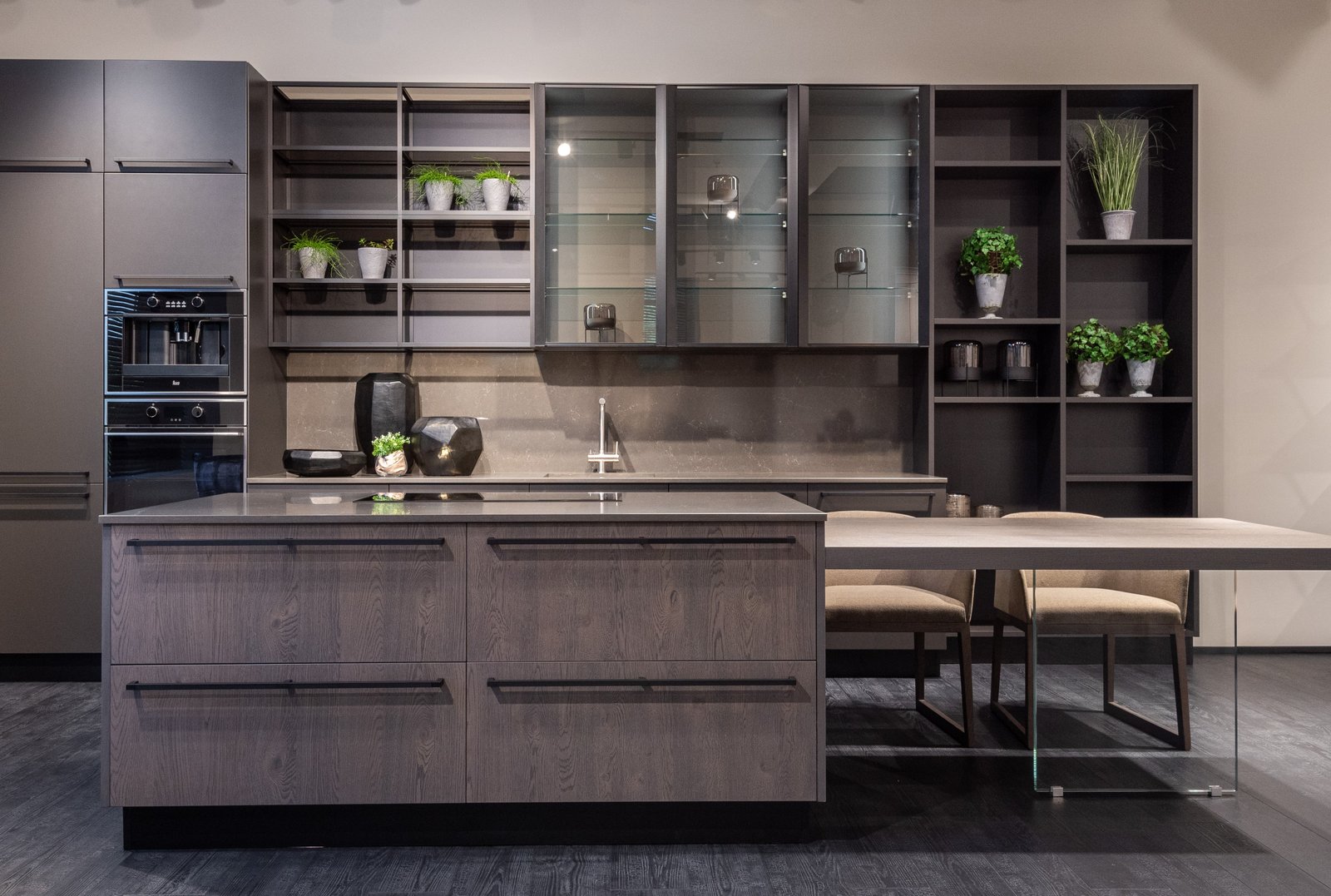
When it comes to kitchen design, two distinct cultures, Arabian and Japanese, offer unique and captivating aesthetics. The fusion of these styles can create a truly remarkable and harmonious space that combines elements from both traditions. In this blog post, we will explore the characteristics of kitchens that blend Arabian and Japanese influences. Arabic kitchens are known for their warmth, elegance, and intricate detailing. Common features include rich wooden cabinetry, ornate tile work, and decorative lighting fixtures. The color palette in Arabic kitchens typically includes earth tones such as terracotta, ochre, and deep blues. These kitchens often feature intricate mosaics, arched doorways, and carved wood accents that create a sense of luxury and opulence. In contrast, Japanese kitchens are minimalist, practical, and serene. Clean lines, natural materials, and a focus on simplicity are key elements of Japanese design. Japanese kitchens often incorporate elements such as tatami mats, sliding doors, and bamboo accents. The color palette in Japanese kitchens is subdued and calming, with shades of white, beige, and soft greens prevailing. When combining Arabic and Japanese styles in a kitchen design, there are several ways to achieve a harmonious blend. One approach is to use Japanese design principles such as simplicity and minimalism as a backdrop for rich Arabian elements like intricate tile work or carved wood details. For example, a Japanese-inspired kitchen with clean lines and open shelving could be enhanced with Arabian pendant lights or a mosaic tile backsplash. Another way to blend Arabic and Japanese influences is through the use of color. Combining the warm, earthy tones of Arabic design with the subtle, calming hues of Japanese design can create a balanced and inviting space. Consider incorporating a terracotta tiled floor in a Japanese-style kitchen or adding a touch of ochre or deep blue to a predominantly white and beige color scheme. In terms of materials, the use of natural elements is common to both Arabian and Japanese design, making it easy to integrate elements from both styles seamlessly. Consider incorporating wood accents, stone countertops, or ceramic tiles that nod to both traditions. Additionally, including elements such as ornate Arabian lanterns or Japanese tea sets can add a touch of cultural authenticity to the space. In conclusion, blending Arabian and Japanese styles in a kitchen design can create a unique and visually stunning space that harmoniously merges the warmth and opulence of Arabic design with the simplicity and serenity of Japanese aesthetics. By carefully balancing elements such as color, materials, and decorative accents, it is possible to create a kitchen that is both functional and culturally rich. Whether you prefer the intricate detailing of Arabian design or the minimalist elegance of Japanese style, combining these two traditions can result in a truly exceptional space that reflects the best of both worlds. to Get more information at https://www.chatarabonline.com
Leave a Comment:
SEARCH
Recent News
- Zurich, Switzerland is known for its multicultural atmosphere and diverse culinary scene. One of the lesser-known gems of Zurich's food scene is Sudanese cuisine. Sudanese cuisine is a reflection of the country's diverse cultural influences, blending Arabic, African, and Mediterranean flavors to create a unique and delicious culinary experience.
- Zurich, Switzerland: A Culinary Journey through Regional Cuisine
- Zurich, Switzerland is known for its stunning natural beauty, vibrant arts scene, and strong economy. However, what many people may not know is that this dynamic city also offers a diverse culinary experience that includes delicacies from around the world. One such cuisine that has found a home in Zurich is Philippine cuisine.
- Zurich, Switzerland is known for its picturesque views, stunning architecture, and vibrant cultural scene. Located in the heart of Europe, Zurich offers a mix of traditional Swiss cuisine and international flavors. One particular cuisine that has been making waves in Zurich is Paraguayan cuisine.
- Zurich, Switzerland is a city known for its stunning views, picturesque streets, and vibrant culture. It is also a melting pot of diverse culinary influences, with a wide range of cuisines to choose from. One such cuisine that has made its mark in Zurich is Norwegian cuisine.
- Zurich, Switzerland, and Montreal, Canada, are two vibrant cities known for their distinct cultural characteristics. While Zurich is renowned for its picturesque landscapes, rich history, and high standard of living, Montreal is famous for its diverse population, vibrant arts scene, and mouth-watering cuisine. In this blog post, we will delve into the delectable culinary offerings of Montreal and explore how its unique food scene sets it apart from the culinary landscape of Zurich.
- Zurich, Switzerland: Exploring Hungarian Cuisine
- Zurich, Switzerland is a city known for its picturesque surroundings, stunning architecture, and vibrant culture. As a popular destination for both tourists and expats, Zurich offers a diverse culinary scene with cuisine choices from around the world. One lesser-known but delightful culinary gem you can find in Zurich is Guatemalan cuisine.
READ MORE
8 months ago Category : bkitchens

Zurich, Switzerland is known for its multicultural atmosphere and diverse culinary scene. One of the lesser-known gems of Zurich's food scene is Sudanese cuisine. Sudanese cuisine is a reflection of the country's diverse cultural influences, blending Arabic, African, and Mediterranean flavors to create a unique and delicious culinary experience.
Read More →8 months ago Category : bkitchens

Zurich, Switzerland: A Culinary Journey through Regional Cuisine
Read More →8 months ago Category : bkitchens

Zurich, Switzerland is known for its stunning natural beauty, vibrant arts scene, and strong economy. However, what many people may not know is that this dynamic city also offers a diverse culinary experience that includes delicacies from around the world. One such cuisine that has found a home in Zurich is Philippine cuisine.
Read More →8 months ago Category : bkitchens
