Embrace Elegance and Functionality: Exploring Colors for Transitional Kitchens
Category : bkitchens | Sub Category : bkitchens Posted on 2023-10-30 21:24:53
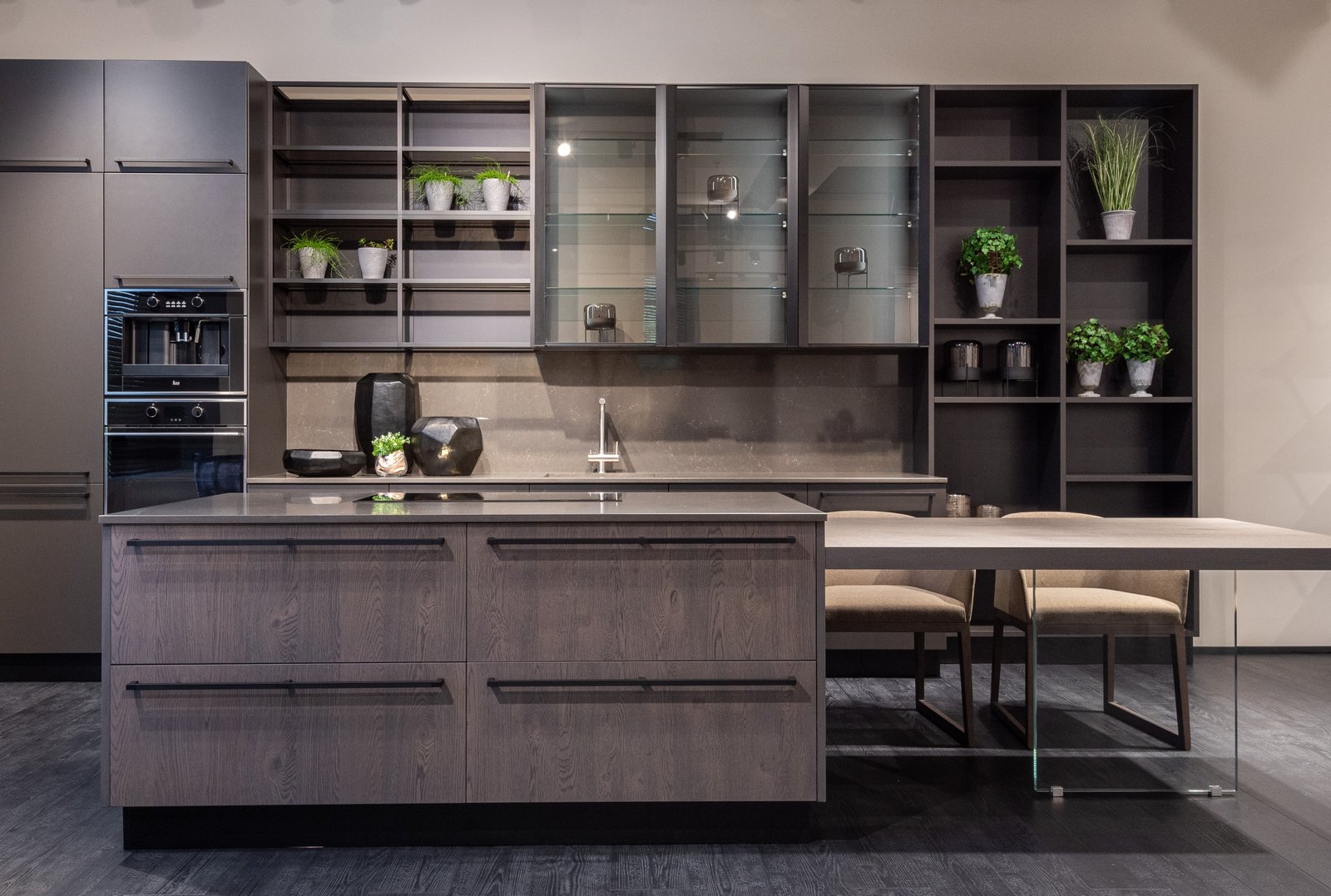
Introduction: Transitional kitchens have gained immense popularity in recent years, seamlessly blending modern and traditional elements to create a harmonious yet contemporary aesthetic. While the design choices may be endless, one crucial element that has a significant impact is the color palette. In this blog post, we will explore the key colors for transitional kitchens, helping you create a space that showcases both elegance and functionality. 1. Neutral Shades: When it comes to transitional kitchens, neutral shades are go-to options. Colors like white, cream, beige, and gray provide a timeless and clean foundation that effortlessly bridges the gap between traditional and modern styles. Neutral tones work particularly well on kitchen cabinets, countertops, and walls, allowing other design elements to take center stage. 2. Warm and Inviting Hues: To infuse warmth and comfort into your transitional kitchen, opt for warm and inviting colors like taupe, soft yellow, or muted earth tones. These colors add depth and character to the space and create a welcoming ambiance. You can incorporate these hues through details such as backsplash tiles, kitchen accessories, or even in your choice of accent furniture. 3. Bold Accents: While transitional kitchens typically lean towards a more muted color palette, incorporating bold accents can truly elevate the design. Colors like navy blue, emerald green, or deep burgundy can be introduced through statement pieces such as kitchen islands, bar stools, or pendant lights. These pops of color serve as eye-catching focal points and create a sense of contemporary flair. 4. Natural Inspirations: Embracing colors inspired by nature is also a fantastic way to enhance the transitional aesthetic in your kitchen. Shades of green, blue, or even shades of brown can bring the outside in and create a serene and calming atmosphere. Consider incorporating these colors through the use of ceramic or glass tiles, natural stone countertops, or even houseplants to add a touch of freshness and vitality. 5. Playing with Contrasts: Playing with contrasts can create a visually striking effect in transitional kitchens. Pairing light and dark colors together creates a sense of balance and adds depth to the space. For instance, combining white cabinets with a dark-colored island or dark countertops with light-colored cabinetry can create a captivating design juxtaposition. Conclusion: Colors play a vital role in setting the tone for any space, and transitional kitchens are no exception. By choosing the right color palette, you can bring together the best elements of both traditional and modern design to create a kitchen that exudes elegance and functionality. From neutral shades to warm hues, bold accents, and natural inspirations, there are countless ways to infuse your personal style into a transitional kitchen. Ultimately, it's all about finding the perfect balance and creating a space that reflects your unique taste and lifestyle. More in http://www.colorsshow.com
Leave a Comment:
SEARCH
Recent News
- Zurich, Switzerland is known for its multicultural atmosphere and diverse culinary scene. One of the lesser-known gems of Zurich's food scene is Sudanese cuisine. Sudanese cuisine is a reflection of the country's diverse cultural influences, blending Arabic, African, and Mediterranean flavors to create a unique and delicious culinary experience.
- Zurich, Switzerland: A Culinary Journey through Regional Cuisine
- Zurich, Switzerland is known for its stunning natural beauty, vibrant arts scene, and strong economy. However, what many people may not know is that this dynamic city also offers a diverse culinary experience that includes delicacies from around the world. One such cuisine that has found a home in Zurich is Philippine cuisine.
- Zurich, Switzerland is known for its picturesque views, stunning architecture, and vibrant cultural scene. Located in the heart of Europe, Zurich offers a mix of traditional Swiss cuisine and international flavors. One particular cuisine that has been making waves in Zurich is Paraguayan cuisine.
- Zurich, Switzerland is a city known for its stunning views, picturesque streets, and vibrant culture. It is also a melting pot of diverse culinary influences, with a wide range of cuisines to choose from. One such cuisine that has made its mark in Zurich is Norwegian cuisine.
- Zurich, Switzerland, and Montreal, Canada, are two vibrant cities known for their distinct cultural characteristics. While Zurich is renowned for its picturesque landscapes, rich history, and high standard of living, Montreal is famous for its diverse population, vibrant arts scene, and mouth-watering cuisine. In this blog post, we will delve into the delectable culinary offerings of Montreal and explore how its unique food scene sets it apart from the culinary landscape of Zurich.
- Zurich, Switzerland: Exploring Hungarian Cuisine
- Zurich, Switzerland is a city known for its picturesque surroundings, stunning architecture, and vibrant culture. As a popular destination for both tourists and expats, Zurich offers a diverse culinary scene with cuisine choices from around the world. One lesser-known but delightful culinary gem you can find in Zurich is Guatemalan cuisine.
READ MORE
10 months ago Category : bkitchens

Zurich, Switzerland is known for its multicultural atmosphere and diverse culinary scene. One of the lesser-known gems of Zurich's food scene is Sudanese cuisine. Sudanese cuisine is a reflection of the country's diverse cultural influences, blending Arabic, African, and Mediterranean flavors to create a unique and delicious culinary experience.
Read More →10 months ago Category : bkitchens

Zurich, Switzerland: A Culinary Journey through Regional Cuisine
Read More →10 months ago Category : bkitchens

Zurich, Switzerland is known for its stunning natural beauty, vibrant arts scene, and strong economy. However, what many people may not know is that this dynamic city also offers a diverse culinary experience that includes delicacies from around the world. One such cuisine that has found a home in Zurich is Philippine cuisine.
Read More →10 months ago Category : bkitchens
