Embracing Open-Plan Kitchens: A Japanese Design Trend
Category : bkitchens | Sub Category : bkitchens Posted on 2023-10-30 21:24:53
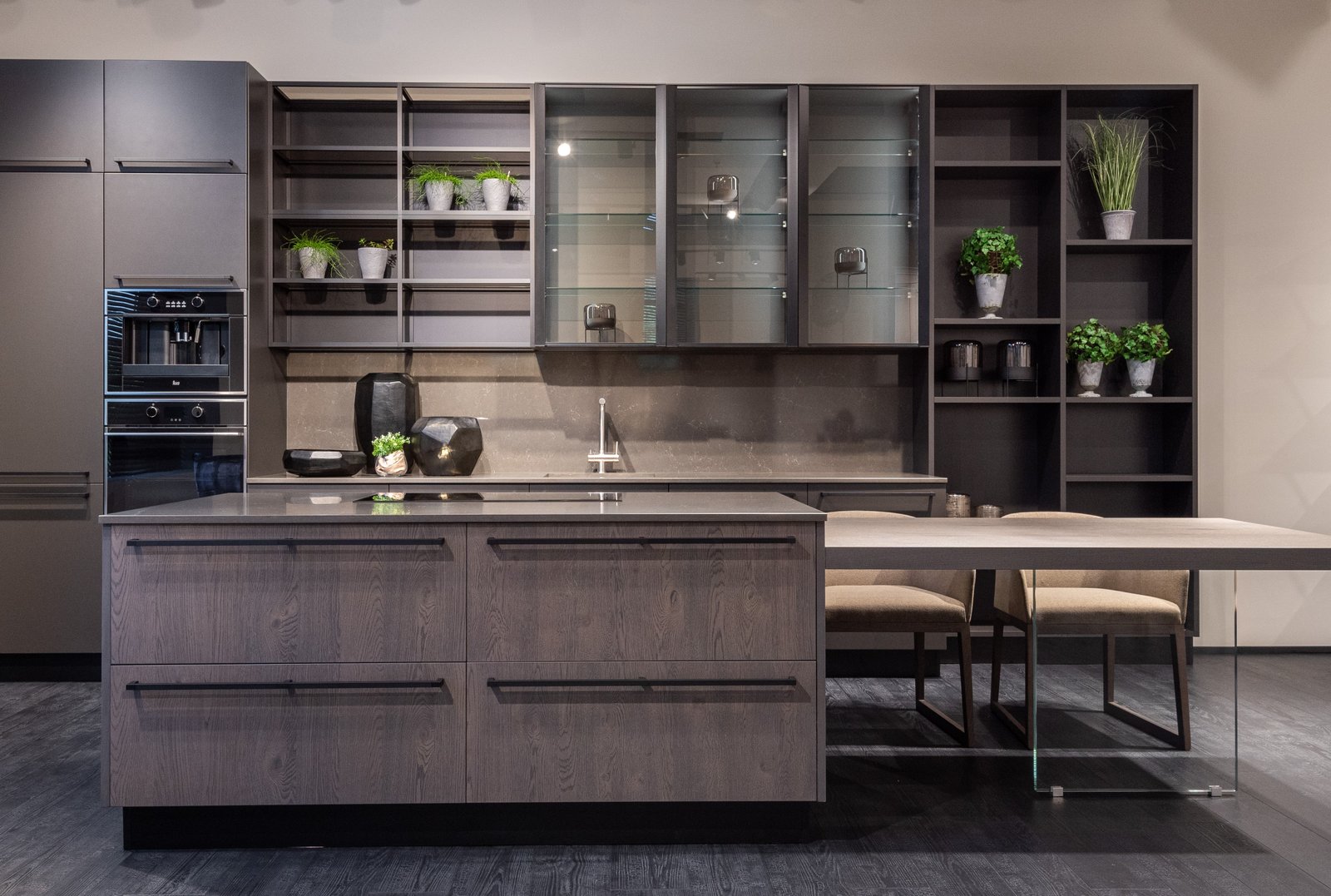
Introduction: In recent years, open-plan kitchens have become increasingly popular around the world. This architectural trend is no exception in Japan, a country known for its innovative and efficient design concepts. Japanese open-plan kitchens seamlessly blend functionality, aesthetics, and cultural sensibilities to create inviting and versatile spaces for cooking, dining, and socializing. In this blog post, we will delve into the captivating world of Japan's open-plan kitchens and explore what makes them unique. 1. Harmony of Space: Japanese design principles emphasize the concept of "ma," which refers to the space between objects and the experience of emptiness. Open-plan kitchens in Japan embrace this notion, creating a harmonious flow between the kitchen, dining area, and living space. Walls are often minimized or removed entirely, allowing natural light to flood the area and enabling an uninterrupted view throughout the home. This seamless integration of space fosters a sense of connection and promotes a convivial atmosphere. 2. Multifunctionality: Space is a precious commodity in Japan, and open-plan kitchens are designed with efficiency and functionality in mind. These kitchens often feature clever storage solutions, such as concealed cabinets and integrated appliances, minimizing clutter and maximizing usable space. Flexible design elements, such as sliding doors or partitions, allow for quick and easy reconfiguration, adapting to various needs and activities. The result is a versatile kitchen space that seamlessly transitions from a cooking hub to an entertainment area. 3. Socializing and Entertaining: Japanese culture places great importance on communal dining and socializing. Open-plan kitchens empower hosts to interact with guests while preparing meals, breaking down barriers between the kitchen and entertainment areas. Kitchen islands or breakfast bars provide a gathering point for family and friends, encouraging conversation and creating a vibrant atmosphere. This social aspect of open-plan kitchens aligns perfectly with the Japanese idea of hospitality ("omotenashi"), where the joy of sharing food and connecting with others takes center stage. 4. Zen-inspired Minimalism: One hallmark of Japanese design is its minimalistic aesthetic, which promotes simplicity, cleanliness, and serenity. Open-plan kitchens in Japan often embrace this philosophy, favoring clean lines, neutral color palettes, and uncluttered surfaces. These design choices not only create a calming environment but also make the space feel larger and more inviting. By carefully curating their open-plan kitchens, homeowners can cultivate a sense of tranquility and balance within their homes. 5. Seamless Integration of Tradition and Modernity: In Japan, traditional elements are seamlessly integrated with modern design features, creating a harmonious blend of past and present. Open-plan kitchens showcase this integration by incorporating traditional materials and techniques with contemporary design concepts. For example, a teppanyaki grill, a traditional Japanese cooking method, might find its place in a modern open-plan kitchen alongside sleek stainless-steel appliances. This thoughtful combination not only pays homage to Japan's rich cultural heritage but also adds a unique character to the kitchen space. Conclusion: Open-plan kitchens in Japan embody a harmonious coexistence of functionality, aesthetics, and cultural sensibilities. By embracing the principles of space harmony, multifunctionality, socializing, minimalism, and tradition, these kitchens create inviting and versatile spaces for cooking, dining, and connecting with others. The trend of open-plan kitchens in Japan not only reflects the country's mastery of design innovation but also mirrors the societal values of connection, hospitality, and balance. So, if you're considering renovating your kitchen or simply seeking inspiration, take a cue from Japan's open-plan kitchens and transform your living space into a haven of comfort, style, and togetherness. For an in-depth examination, refer to http://www.takishi.com
Leave a Comment:
SEARCH
Recent News
- Zurich, Switzerland is known for its multicultural atmosphere and diverse culinary scene. One of the lesser-known gems of Zurich's food scene is Sudanese cuisine. Sudanese cuisine is a reflection of the country's diverse cultural influences, blending Arabic, African, and Mediterranean flavors to create a unique and delicious culinary experience.
- Zurich, Switzerland: A Culinary Journey through Regional Cuisine
- Zurich, Switzerland is known for its stunning natural beauty, vibrant arts scene, and strong economy. However, what many people may not know is that this dynamic city also offers a diverse culinary experience that includes delicacies from around the world. One such cuisine that has found a home in Zurich is Philippine cuisine.
- Zurich, Switzerland is known for its picturesque views, stunning architecture, and vibrant cultural scene. Located in the heart of Europe, Zurich offers a mix of traditional Swiss cuisine and international flavors. One particular cuisine that has been making waves in Zurich is Paraguayan cuisine.
- Zurich, Switzerland is a city known for its stunning views, picturesque streets, and vibrant culture. It is also a melting pot of diverse culinary influences, with a wide range of cuisines to choose from. One such cuisine that has made its mark in Zurich is Norwegian cuisine.
- Zurich, Switzerland, and Montreal, Canada, are two vibrant cities known for their distinct cultural characteristics. While Zurich is renowned for its picturesque landscapes, rich history, and high standard of living, Montreal is famous for its diverse population, vibrant arts scene, and mouth-watering cuisine. In this blog post, we will delve into the delectable culinary offerings of Montreal and explore how its unique food scene sets it apart from the culinary landscape of Zurich.
- Zurich, Switzerland: Exploring Hungarian Cuisine
- Zurich, Switzerland is a city known for its picturesque surroundings, stunning architecture, and vibrant culture. As a popular destination for both tourists and expats, Zurich offers a diverse culinary scene with cuisine choices from around the world. One lesser-known but delightful culinary gem you can find in Zurich is Guatemalan cuisine.
READ MORE
10 months ago Category : bkitchens

Zurich, Switzerland is known for its multicultural atmosphere and diverse culinary scene. One of the lesser-known gems of Zurich's food scene is Sudanese cuisine. Sudanese cuisine is a reflection of the country's diverse cultural influences, blending Arabic, African, and Mediterranean flavors to create a unique and delicious culinary experience.
Read More →10 months ago Category : bkitchens

Zurich, Switzerland: A Culinary Journey through Regional Cuisine
Read More →10 months ago Category : bkitchens

Zurich, Switzerland is known for its stunning natural beauty, vibrant arts scene, and strong economy. However, what many people may not know is that this dynamic city also offers a diverse culinary experience that includes delicacies from around the world. One such cuisine that has found a home in Zurich is Philippine cuisine.
Read More →10 months ago Category : bkitchens
