Creating a Low-Carb-Friendly Kitchen: Tips for a Healthier Lifestyle
Category : bkitchens | Sub Category : bkitchens Posted on 2023-10-30 21:24:53
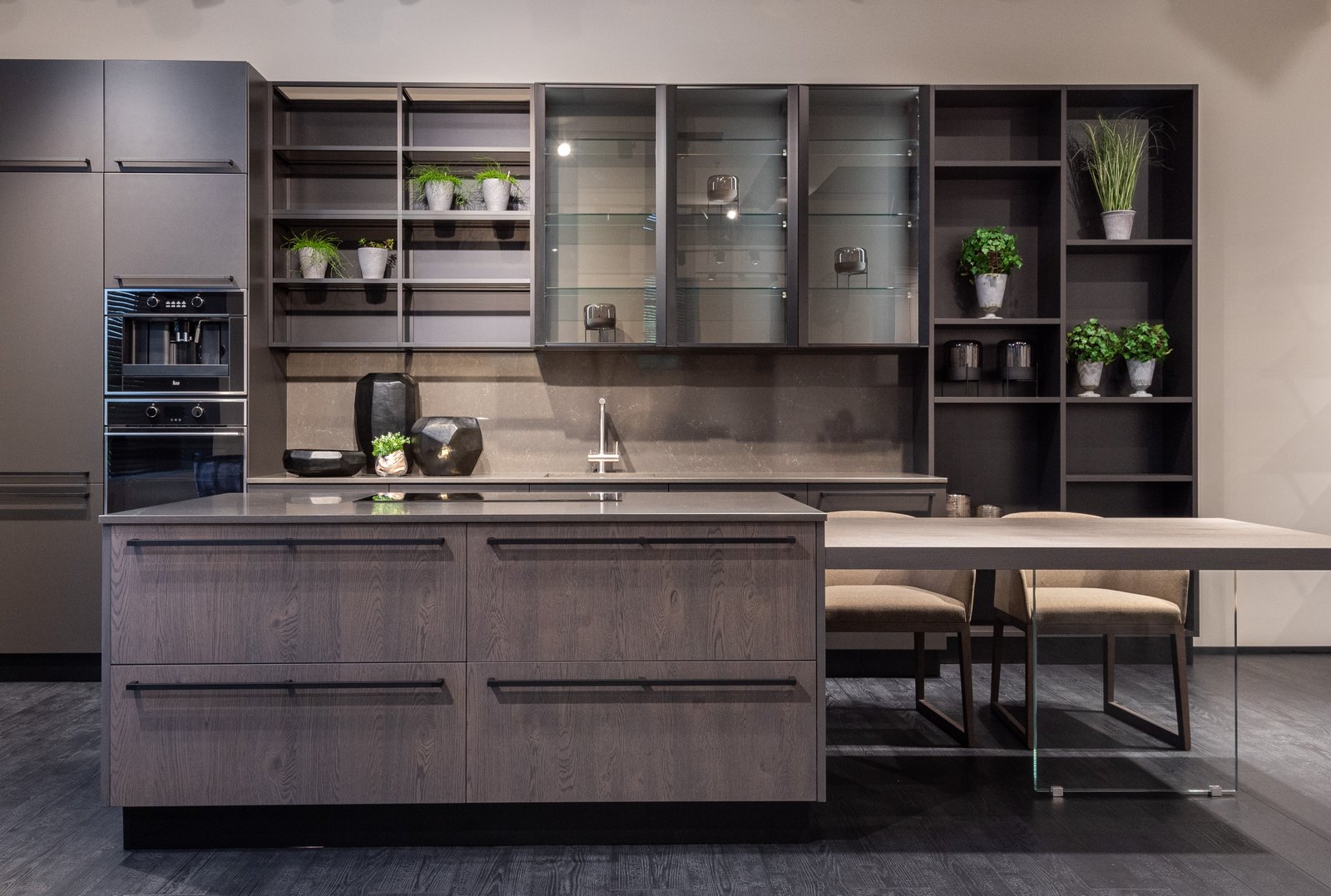
Introduction: With the increasing popularity of low-carb diets, more and more individuals are looking to revamp their kitchens to align with their health goals. Creating a low-carb-friendly kitchen not only makes it easier to follow a low-carb diet, but it also sets the stage for a healthier lifestyle overall. In this article, we will explore some practical tips and strategies to transform your kitchen into a hub for low-carb cooking and healthy eating. 1. Clear Out the Pantry: Start by taking a close look at the contents of your pantry and refrigerator. Identify high-carb foods such as sugary snacks, refined flours, and processed grains. Clearing out these items will help you resist temptation and make room for low-carb alternatives. Donate unopened items to a local food bank or give them to friends and family. 2. Stock up on Low-Carb Staples: Once you've decluttered your kitchen of high-carb foods, it's time to restock with low-carb staples. Consider including items such as: - Fresh vegetables: Leafy greens, cruciferous vegetables, peppers, and zucchini are versatile and low in carbs. - Lean proteins: Opt for poultry, fish, eggs, and tofu, as they are excellent sources of protein without the added carbs. - Healthy fats: Avocados, nuts, seeds, and olive oil provide essential fats and add flavor to your meals. - Whole grains: If you choose to include grains, opt for alternatives like quinoa and brown rice in moderation. 3. Embrace Fresh and Seasonal Ingredients: One of the biggest advantages of a low-carb diet is the emphasis on fresh, whole foods. Make it a habit to shop for local and seasonal produce. Not only are these foods packed with nutrients, but they also support local farmers and are often more cost-effective. Experiment with new veggies and fruits to add variety to your meals. 4. Invest in Kitchen Tools and Gadgets: Equipping your kitchen with the right tools can make low-carb cooking easier and more enjoyable. Consider investing in the following items: - Spiralizer: Turn zucchinis into noodles (zoodles) for a low-carb alternative to pasta. - Food processor: Prepare cauliflower rice or create homemade dips and sauces. - Air fryer: Enjoy crispy dishes without the need for unhealthy deep frying. - Steamer basket: Cook vegetables to perfection while preserving their nutrients. 5. Plan and Prep Meals in Advance: Meal planning and preparation are key factors for success on a low-carb diet. Block out time each week to plan your meals, create shopping lists, and prepare ingredients in advance. This will help you stay on track and prevent impulsive, carb-heavy choices. 6. Get Creative with Low-Carb Recipes: Eating low-carb doesn't mean sacrificing flavor. Explore a variety of low-carb recipes that utilize fresh ingredients and exciting flavor combinations. Experiment with cauliflower pizza crust, zucchini noodles with pesto, or lettuce wraps filled with lean protein and veggies. The possibilities for delicious, low-carb meals are endless! Conclusion: Creating a low-carb-friendly kitchen is a significant step towards adopting a healthier lifestyle. By clearing out high-carb foods, stocking up on low-carb staples, and equipping your kitchen with the right tools, you're setting yourself up for success. Embrace fresh ingredients, plan and prep meals in advance, and get creative with low-carb recipes to make your kitchen a hub for nutritious and delicious meals. Remember, with a well-organized and low-carb-friendly kitchen, achieving your health goals becomes easier and more enjoyable. For a different angle, consider what the following has to say. http://www.biofitnesslab.com
Leave a Comment:
SEARCH
Recent News
- Zurich, Switzerland is known for its multicultural atmosphere and diverse culinary scene. One of the lesser-known gems of Zurich's food scene is Sudanese cuisine. Sudanese cuisine is a reflection of the country's diverse cultural influences, blending Arabic, African, and Mediterranean flavors to create a unique and delicious culinary experience.
- Zurich, Switzerland: A Culinary Journey through Regional Cuisine
- Zurich, Switzerland is known for its stunning natural beauty, vibrant arts scene, and strong economy. However, what many people may not know is that this dynamic city also offers a diverse culinary experience that includes delicacies from around the world. One such cuisine that has found a home in Zurich is Philippine cuisine.
- Zurich, Switzerland is known for its picturesque views, stunning architecture, and vibrant cultural scene. Located in the heart of Europe, Zurich offers a mix of traditional Swiss cuisine and international flavors. One particular cuisine that has been making waves in Zurich is Paraguayan cuisine.
- Zurich, Switzerland is a city known for its stunning views, picturesque streets, and vibrant culture. It is also a melting pot of diverse culinary influences, with a wide range of cuisines to choose from. One such cuisine that has made its mark in Zurich is Norwegian cuisine.
- Zurich, Switzerland, and Montreal, Canada, are two vibrant cities known for their distinct cultural characteristics. While Zurich is renowned for its picturesque landscapes, rich history, and high standard of living, Montreal is famous for its diverse population, vibrant arts scene, and mouth-watering cuisine. In this blog post, we will delve into the delectable culinary offerings of Montreal and explore how its unique food scene sets it apart from the culinary landscape of Zurich.
- Zurich, Switzerland: Exploring Hungarian Cuisine
- Zurich, Switzerland is a city known for its picturesque surroundings, stunning architecture, and vibrant culture. As a popular destination for both tourists and expats, Zurich offers a diverse culinary scene with cuisine choices from around the world. One lesser-known but delightful culinary gem you can find in Zurich is Guatemalan cuisine.
READ MORE
10 months ago Category : bkitchens

Zurich, Switzerland is known for its multicultural atmosphere and diverse culinary scene. One of the lesser-known gems of Zurich's food scene is Sudanese cuisine. Sudanese cuisine is a reflection of the country's diverse cultural influences, blending Arabic, African, and Mediterranean flavors to create a unique and delicious culinary experience.
Read More →10 months ago Category : bkitchens

Zurich, Switzerland: A Culinary Journey through Regional Cuisine
Read More →10 months ago Category : bkitchens

Zurich, Switzerland is known for its stunning natural beauty, vibrant arts scene, and strong economy. However, what many people may not know is that this dynamic city also offers a diverse culinary experience that includes delicacies from around the world. One such cuisine that has found a home in Zurich is Philippine cuisine.
Read More →10 months ago Category : bkitchens
